
Google has upgraded its Stitch design tool into an AI‑native platform built around a new concept it calls “vibe design.” Designers and non‑designers can now describe the feel of an interface in natural language or voice, and Stitch will generate high‑fidelity, clickable UI prototypes, skipping traditional wireframes and static mocks.
The launch has already rattled public markets: Figma’s stock has dropped roughly 11–12% in two days following the announcement, reflecting investor concern that AI‑first design platforms could compress product cycles and erode incumbents’ moats. For product teams in Singapore, Bangalore, Shenzhen and beyond, this is not just another feature launch—it’s a signal that AI is moving from “copilot” to co‑designer in the software stack.
What Exactly Is “Vibe Design”?
Google positions vibe design as starting from intent and emotion, not components.
- You describe the interface like: “A calm, minimal mobile banking app for first‑time investors in their 20s.”
- Stitch’s AI‑native canvas then generates layouts, colors, typography and interactive states that match that described “vibe,” and you iterate via prompts and voice.
Key Capabilities in Stitch’s Upgrade
- AI‑native canvas that turns natural language into high‑fidelity UI for web and mobile, in seconds.
- Design agent that tracks context, critiques your work and suggests improvements as you go.
- Voice‑driven editing, so stakeholders can literally talk changes into the design during live reviews.
- Instant prototypes with clickable flows, reducing handoff friction to product and engineering.
- DESIGN.md and system integration to keep generated UIs aligned with shared design rules, plus MCP/SDK hooks.
For founders and PMs, this means you can move from idea to testable UI in a single working session—without a traditional design tool ever opening.
Is This the “Vibe Coding” Moment for Design?
“Vibe coding” describes an LLM‑driven style of development where you express intent in natural language and let AI generate and refine the code, with humans guiding and testing rather than hand‑crafting every line. It shifts the work from typing syntax to orchestrating outcomes and feedback loops.
 Howard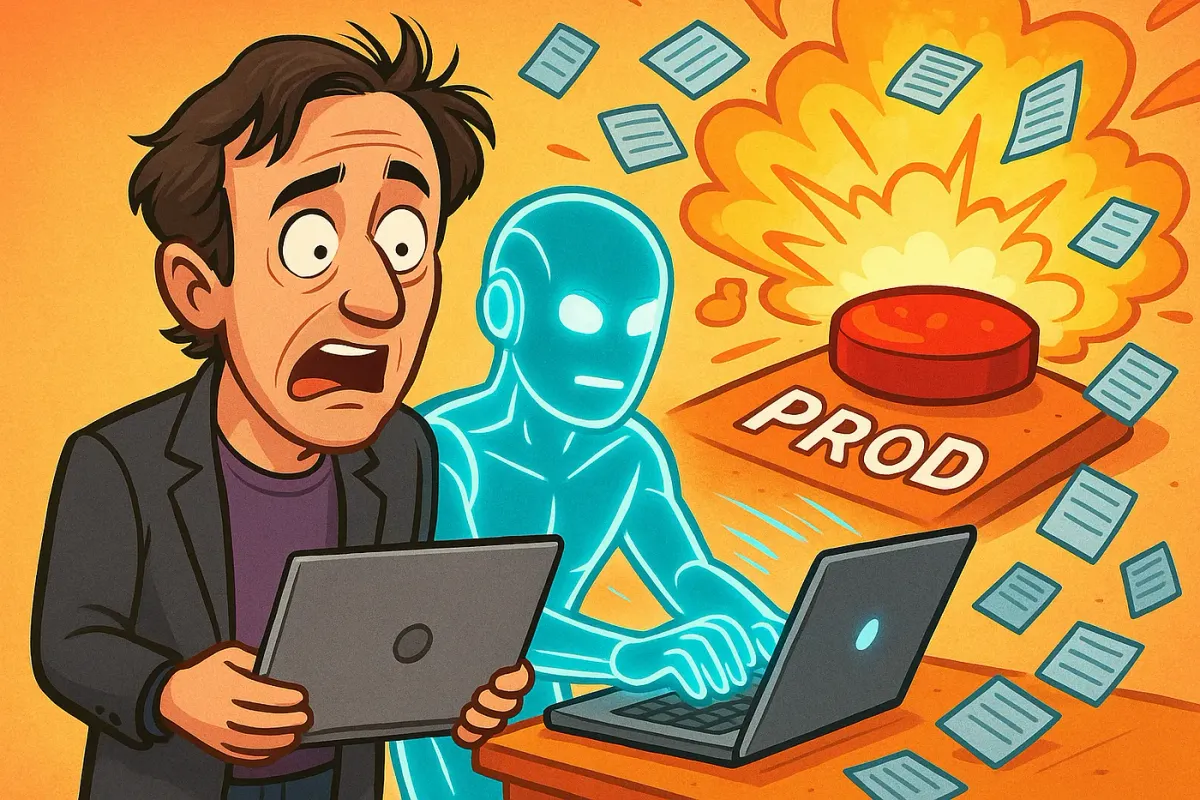
Vibe design applies that same intention‑first paradigm to UI/UX:
- Traditional design: Start from wireframes, component libraries, spacing specs; iterate through Figma files and reviews.
- Vibe design: Start from product goals and user feelings; let AI propose full UIs, then edit by prompting, critiquing and constraining.
This is why many observers see Stitch as design’s “vibe coding moment”: the primary interface between humans and software is shifting from tools and canvases to language and “vibes.”
Market Shock: Figma’s Stock Slide and What It Signals
Figma’s share price has fallen about 11–12% in the two trading days after Google’s vibe design reveal, on top of a year‑to‑date decline of more than 35% driven by broader AI disruption fears. The sell‑off reflects a familiar pattern from the early “vibe coding” wave, when investors rotated away from traditional dev‑tool vendors over concerns that LLMs would compress demand for manual coding products.
In other words, public markets are rapidly re‑pricing:
- The value of AI‑native platforms like Stitch, which are free (for now) and deeply integrated into AI ecosystems.
- The risk that tools built for manual workflows—like traditional UI design suites—face margin and growth pressure as teams adopt AI‑first stacks.
For listed SaaS players, Stitch is a reminder: if your product assumes humans will always push the pixels or write the code, your valuation multiple is now exposed to “vibe‑driven” automation risk.
What It Means for Businesses and Service Providers
For Business End‑Users and Product Teams
- Compressed design cycles: Weeks of design work can collapse into days, especially for internal tools and MVPs.
- Lower dependency on scarce designers: PMs and founders can generate first drafts, letting designers focus on systems, research and differentiation.
- Governance challenges: Without strong design systems and DESIGN.md‑style constraints, organisations risk “prompt‑driven chaos.”
Teams in regulated sectors—from Singaporean banks to Korean insurers—will need clear design guardrails so AI‑generated UIs don’t drift from brand or compliance standards.
For Agencies, SI Partners and Design Service Providers
- Move up the value chain: Commoditised layout and asset production will be increasingly automated; strategy, UX research and product thinking become the billable core.
- Offer AI‑accelerated studios: Service providers can wrap Stitch‑like tools into packages promising faster sprints and more experiments per dollar.
- Resell and integrate: With MCP/SDK hooks, systems integrators can embed vibe design into broader enterprise workflows across APAC.
For agencies already running Figma‑first studios, the question is no longer if AI enters the stack—it is how fast clients will expect it to be standard.
What’s the Next “Vibe X”?
Vibe coding and vibe design are both signs that intent‑first interfaces are becoming the default way we build digital products. Over the next 12–24 months, several “vibe X” spaces look especially ripe:
- Vibe marketing: Describe the feeling and target of a campaign, and AI generates cross‑channel assets, copy and landing pages, tuned for audiences in markets like Thailand or Malaysia.
- Vibe data apps: Ask for “a CFO‑friendly dashboard for cashflow risk in a Taiwanese supply chain,” and AI assembles metrics, charts and narratives from warehouse‑to‑ERP.
- Vibe operations: Ops teams specify outcomes—“reduce queue time in our Jakarta branches by 20%”—and AI proposes workflow, UI and automation changes end‑to‑end.
Stitch’s launch suggests that the winners in this next wave will be platforms that combine strong models, deep workflow integration and opinionated, governed canvases, not just a prompt box bolted onto legacy tools.
Conclusion and Next Steps
Vibe design is less about replacing designers and more about rewiring how teams express intent to software.
As with vibe coding, the practitioners who thrive will be those who learn to direct AI systems with clarity, constraints and taste—not those who cling to manual tooling.
If you lead product, design or technology in the region, your next step is simple: run a controlled experiment with an AI‑native design tool like Stitch on one product or internal workflow, and document the impact on speed, quality and governance.
