
Perplexity has launched Perplexity Computer, a cloud-based “general‑purpose digital worker” that orchestrates 19+ AI models to run complex workflows from a single prompt. Despite the hardware‑sounding name, there’s no device involved – Computer lives in Perplexity’s cloud, operating browsers, apps, APIs, and files on your behalf.
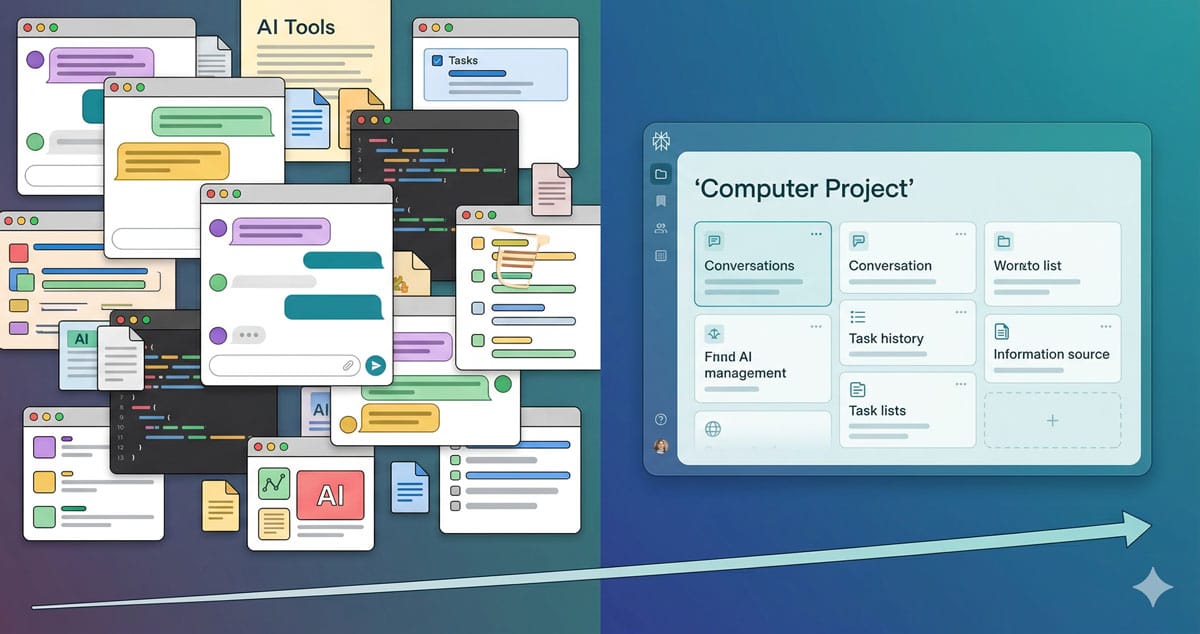
For users who already rely on chatbots for research and drafting, Computer is a step change: instead of giving you answers, it does the work – building micro‑apps, shipping code, producing research packets, and running tasks for hours or even weeks. At the same time, Perplexity is clearly positioning Computer as a safer, more managed answer to the chaotic OpenClaw ecosystem, which has been hit by security concerns and provider bans.
What Is Perplexity Computer, Really?
Perplexity Computer is best understood as a cloud AI project worker, not a new search mode or a desktop assistant.
- It launched publicly on 25 February 2026 and is currently available to Perplexity Max subscribers at around 200 USD per month.
- Under the hood, it coordinates 19+ “frontier” models – for example, Claude Opus 4.6 for reasoning, Gemini for heavy research, GPT‑5.2 for long‑context work, Grok for lightweight tasks, plus specialist models for images and video.
- It runs entirely in Perplexity’s cloud and can keep tasks going for hours, days, or even months, pausing only when it needs your decision.
Instead of you wiring together tools like Notion, GitHub, Figma, or calendar apps, Computer connects to hundreds of services and files, remembers prior runs, and reuses that context across projects. A user‑level example from early testers: going from a brand guidelines markdown file to two working front‑end “micro‑apps” (for callout boxes and tables) pushed to GitHub in under 30 minutes, entirely through conversation.
How To Use Perplexity Computer Day To Day
For most consumers and solo professionals, the mental model is: you describe an outcome, Computer designs and runs the workflow.
Getting Started: The “What, Not How” Prompting Style
- Start with a clear end state: “Build a landing page and email sequence for my new Mandarin tutoring service in Taipei,” or “Create a weekly market brief on Indonesian fintech and send it every Monday.”
- Give it the assets: brand guidelines, product docs, spreadsheets, or previous reports.
- Let Computer break the work into sub‑tasks, assign sub‑agents, and surface checkpoints for your review.
Early reviewers emphasise one principle: tell Computer what you want, not step‑by‑step instructions on how to do it – the orchestration layer handles decomposition and model selection.
Common Consumer and Pro‑Consumer Uses
Perplexity and early power users highlight several practical patterns:
- Deep research packets
- Multi‑source research on topics like HK SFC regulations, Korean gaming trends, or ASEAN EV policy – with cross‑referencing of what sources agree or disagree on.
- No‑code micro‑apps
- Simple branded tools (e.g. proposal generators, pricing tables, sales one‑pager builders) deployed directly to GitHub or a static host.
- Content and campaign orchestration
- From a brief and asset folder, Computer drafts posts, emails, landing pages, and reports in one pass, using the right models for writing, image, and data.
- Background automations
- Long‑running tasks like “track and summarise MAS guidelines on gen‑AI weekly” or “monitor job posts for data roles and compile a monthly trend deck.”
For many already juggling ChatGPT, Gemini, Claude, and Grok, Computer’s value proposition is straightforward: one interface, many models, end‑to‑end execution.
Impact On Consumer AI And Existing Perplexity Users
Computer pushes Perplexity beyond “smart search” into always‑on, agentic computing, and that re-sets expectations for consumer AI tools.
For Existing Perplexity Users
- If you’re on Pro today for web‑search and Q&A, Computer is a premium layer targeted at power users who need projects done, not just answers.
- You keep the standard Perplexity chat and search UX; Computer becomes an additional workspace where conversations represent projects with memory and automations.
- The 10,000 included monthly credits (plus 20,000 early‑adopter bonus) give Max users room to experiment with multiple concurrent projects.
For Other Consumer AI Agent Users
Compared with browser extensions, desktop agents, or DIY OpenClaw setups, Computer offers three practical shifts:
- Multi‑model by default: you no longer choose which LLM to open; Computer routes sub‑tasks to the best model.
- Lower “ops” overhead: no need to wire n8n, Zapier, or custom scripts to glue tools together.
- Cloud‑first safety: everything runs in Perplexity’s sandbox, rather than your laptop or an ad‑hoc Docker container.
For users in markets with strict data expectations – think financial professionals or regulators – that last point may be the deciding factor.
Perplexity Computer vs OpenClaw: Safety, Control, And Who It’s For
The unavoidable comparison is Perplexity Computer vs OpenClaw – the open‑source personal agent that went viral, then ran into serious turbulence.
 Howard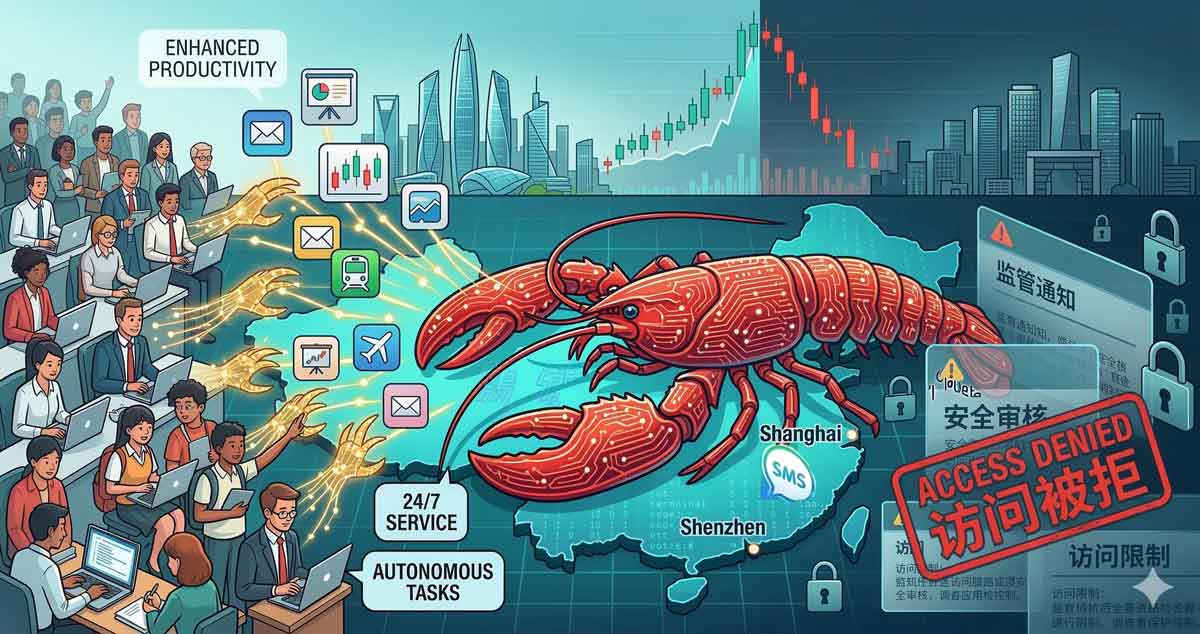
OpenClaw: Powerful But Chaotic
OpenClaw popularised “agents that actually do things” – clearing inboxes, booking flights, managing calendars, running scripts, and speaking over WhatsApp, Slack, and iMessage, often running locally on your machine. However:
- Security researchers flagged a “near‑limitless” attack surface due to self‑modifying identity files and broad system permissions.
- Cloud providers and model vendors have banned or restricted flat‑rate accounts linked to OpenClaw usage, leaving some users locked out without refunds.
- NVIDIA’s NemoClaw now wraps OpenClaw with enterprise‑grade security and privacy controls, but that’s aimed at corporate deployments, not casual consumers.
 Howard
For experienced developers with strong infra skills, OpenClaw remains a “root‑level” playground. For everyone else, the operational and security debt is non‑trivial.
Perplexity Computer: Managed, Opinionated, Less Risk
Perplexity takes almost the opposite stance:
- Managed cloud sandbox: tasks run inside Perplexity’s infrastructure, not on your MacBook or a random VPS.
- Provider‑aware orchestration: Computer is built in partnership with major model vendors, reducing the risk of “terms of service surprise bans.”
- User‑level controls: you can cap spend, choose preferred models, and inspect what Computer is doing, without editing YAML or shell scripts.
In plain language: OpenClaw prioritises raw power and local control; Perplexity Computer prioritises stability, safety, and convenience.
Snapshot: Perplexity Computer vs OpenClaw
| Aspect | Perplexity Computer | OpenClaw (plus NemoClaw context) |
|---|---|---|
| Primary model strategy | 19+ models orchestrated in cloud | Orchestrates multiple models, often locally or via APIs |
| Where it runs | Perplexity cloud sandbox | Local machine / self‑hosted; enterprise via NemoClaw |
| Target user | Power users, prosumers, small teams | Hackers, infra‑savvy users; enterprises via NemoClaw |
| Setup complexity | Low – enabled inside Perplexity Max | Medium–high – install, configure, secure |
| Safety posture | Managed, policy‑driven, vendor‑aligned | Historically high‑risk; hardened by NemoClaw for enterprise |
| Pricing | ~200 USD/month Max plan + credits | Open‑source; infra and model costs vary |
For current OpenClaw users worried about bans or security audits, Computer offers a “pay more, worry less” path: you trade some low‑level control for a more predictable, compliant environment.
What’s Next For Consumer AI Agents?
Perplexity Computer lands into an ecosystem that is already shifting toward safer, more opinionated agents.
- NVIDIA’s NemoClaw is turning OpenClaw’s raw idea into an enterprise‑grade, policy‑driven platform, branding it as the “AI operating system” for regulated industries.
- Perplexity is betting that consumers and prosumers don’t want to become infra engineers; they want a reliable “AI worker” they can spin up for a campaign, product launch, or research project and then shut down.
- Over the next 12–18 months, expect more cross‑model orchestrators – from search providers, cloud platforms, and even regional champions in Japan, Korea, and Southeast Asia – to copy the “one interface, many models, end‑to‑end work” playbook.
The real question isn’t “Which model is best?” anymore. It’s: Which agent stack can I trust to run unsupervised, with data and guardrails that match my world – whether that’s a family office, a SaaS startup, or a solo creator?
Perplexity Computer marks a shift from chatting with AI to delegating work to AI, wrapped in a more controlled and secure environment than the early OpenClaw universe. For many users across the region, the trade‑off is clear: higher subscription cost but significantly less operational and security drama.


